
9 Oct, 2023

Car dealers can give buyers an instant rebate for purchasing certain electric vehicles starting in January of 2024, according to new guidance released by the IRS. The memo says eligible vehicles may qualify for a tax credit of up to $7,500. However, the credit amount will depend on whether an EV and its buyer meet certain requirements, and when a car is actually purchased.
For an electric car to qualify, it needs to have a minimum battery capacity of seven kilowatt hours. Buyers can’t claim the credit if their adjusted gross income exceeds certain thresholds – $300,000 if married and filing jointly, and $150,000 for the majority of single taxpayers. The manufacturer’s suggested retail price for the EV also can not exceed specific price points. For sport utility vehicles and pickup trucks, the cap is $80,000, for example. But for average electric vehicles to qualify, they can't be more than $55,000, which really narrows the benefit for cheaper car makers. While it’s a bummer that you can't get the rebate for an $81,000 Porche Taycan, you can probably get the benefit for something like the Nissan Leaf S that goes for $27,400.
The IRS lists eligible vehicles, including battery electric, plug-in hybrid and fuel cell vehicles on FuelEconomy.gov. It says the list will be updated as more vehicle eligibility requirements take effect.google
| Title | Content |
|
OLA S1 Pro Expert Opinion |
This is the Ola S1 Pro, albeit with the updated Move OS2 software. And Ola claims that the glitches plaguing the S1 Pro - from the scooter losing power to moving in reverse when the forward mode is selected to the absence of all those promised features - have been rectified with this update. And, since we hadn’t tested an S1 Pro on the road yet, this was as good a time as any… |
|
Performance & Handling |
Now, this is where the S1 Pro shines on paper. And Ola’s claims, if nothing else, do catch one’s attention. The scooter uses a 3.97kwh battery pack, which drives a motor with rated power and torque figures of a little over 7bhp and 58Nm of torque. And Ola claims the scooter can complete a 0-40kmph run in three seconds, and then will only take an additional two seconds to hit 60kmph. Moreover, the claimed top speed is 115kmph. So, as we said, the S1 Pro does shine on paper. |


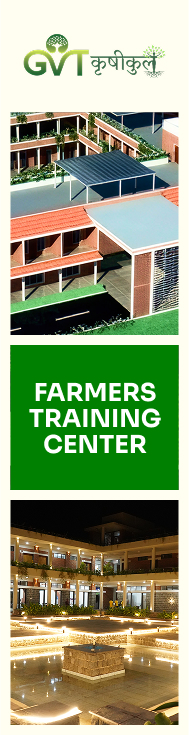


District : Jalgaon
Taluka : Bhadgaon
Village: Wade
Acre : 2.35
BeforeUS$ 680 Cotton

AfterUS$ 7,760 Banana
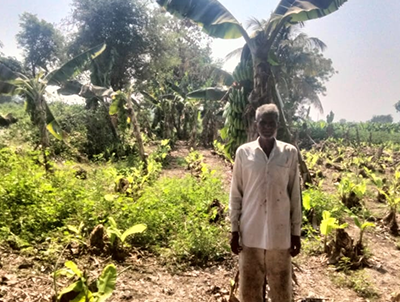
District : Jalgaon
Taluka : Chalisgaon
Village: Tekwade Khurd
Acre : 2.06
BeforeUS$ 580Gram
AfterUS$ 6,840Banana
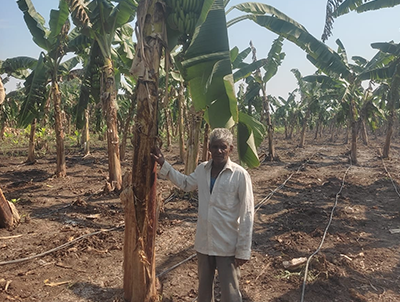
District : Jalgaon
Taluka : Chalisgaon
Village: Tekwade Khurd
Acre : 2.35
BeforeUS$ 610Gram
AfterUS$ 5,670Banana
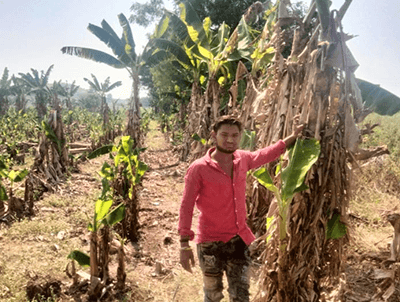
District : Jalgaon
Taluka : Chalisgaon
Village: Tekwade Khurd
Acre : 1.76
BeforeUS$ 480Gram
AfterUS$ 7,120Banana
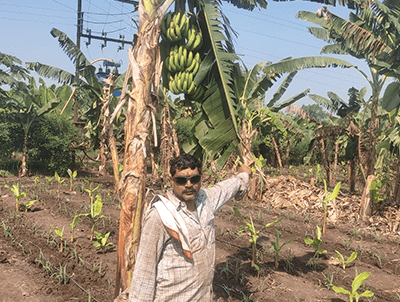
District : Jalgaon
Taluka : Bhadgaon
Village: Wade
Acre : 1.76
BeforeUS$ 390Maize
AfterUS$ 6,880Banana
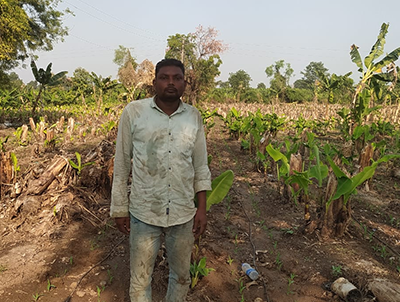
District : Jalgaon
Taluka : Bhadgaon
Village: Wade
Acre : 2.35
BeforeUS$ 670Cotton
AfterUS$ 5,080Banana
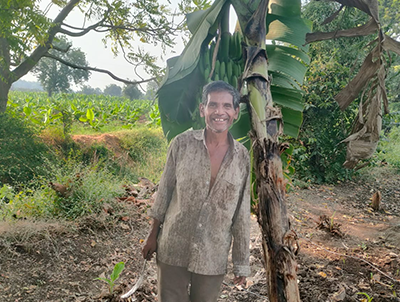
District : Jalgaon
Taluka : Chopda
Village: Lasur
Acre : 1.84
BeforeUS$ 440Cotton
AfterUS$ 6,380Banana
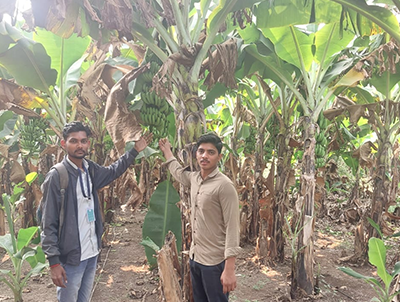
District : Jalgaon
Taluka : Chopda
Village: Panchak
Acre : 2.75
BeforeUS$ 1000Maize
AfterUS$ 3,740Banana
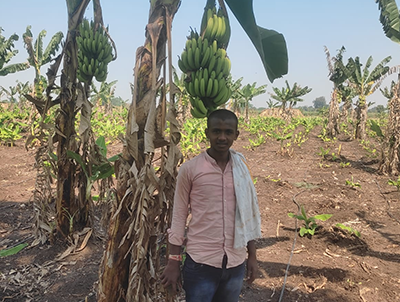
District : Jalgaon
Taluka : Chalisgaon
Village: Jawale
Acre : 1.76
BeforeUS$ 440Gram
AfterUS$ 5,810Banana

District : Jalgaon
Taluka : Bhadgaon
Village: Wade
Acre : 1.76
BeforeUS$ 460Cotton
AfterUS$ 5,560Banana
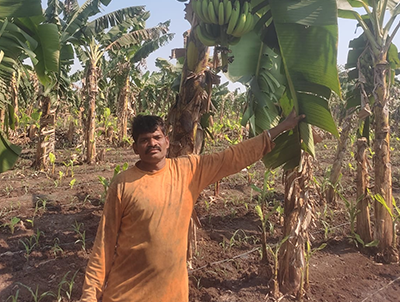
District : Jalgaon
Taluka : Pachora
Village: Nagardeola Bk
Acre : 2.35
BeforeUS$ 670Cotton
AfterUS$ 3,910Banana
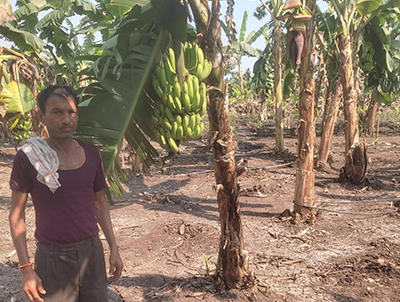
District : Jalgaon
Taluka : Pachora
Village: Nagardeola Bk
Acre : 2.35
BeforeUS$ 630Cotton
AfterUS$ 3,910Banana
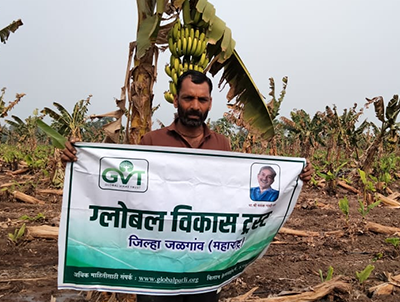
District : Jalgaon
Taluka : Pachora
Village: Kokadi
Acre : 1.65
BeforeUS$ 220Cotton
AfterUS$ 5,430Banana
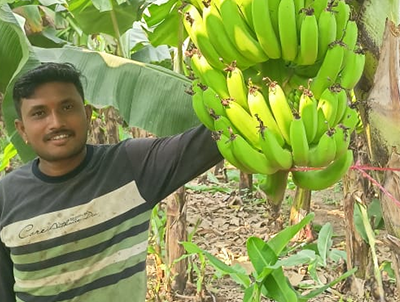
District : Jalgaon
Taluka : Bhadgaon
Village: Patharad
Acre : 2.2
BeforeUS$ 440Gram
AfterUS$ 4,080Banana
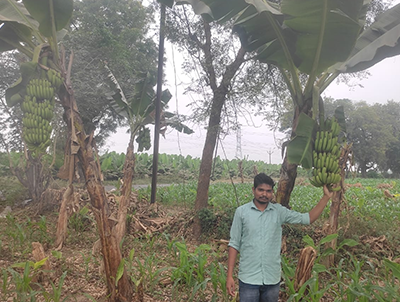
District : Jalgaon
Taluka : Pachora
Village: Kokadi
Acre : 1.65
BeforeUS$ 220Cotton
AfterUS$ 5,430Banana
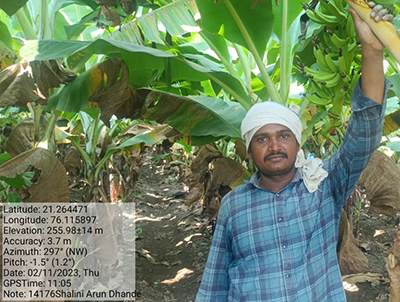
District : Jalgaon
Taluka : Raver
Village: Khanapur
Acre : 1.75
BeforeUS$ 330Gram
AfterUS$ 7,420Banana

District : Jalgaon
Taluka : Chalisgaon
Village: Bahad
Acre : 2.2
BeforeUS$ 560Cotton
AfterUS$ 3,720Banana
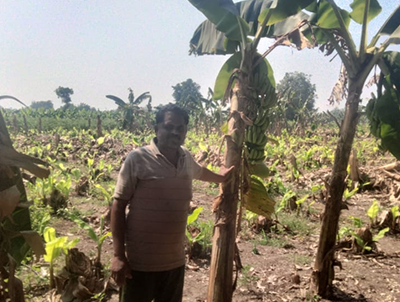
District : Jalgaon
Taluka : Bhadgaon
Village: Wade
Acre : 2.06
BeforeUS$ 630Cotton
AfterUS$ 3,710Banana
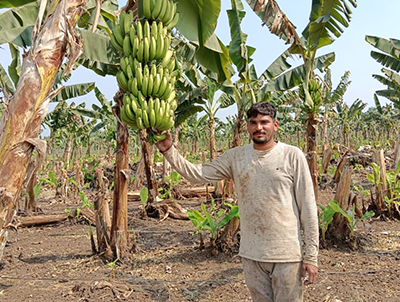
District : Jalgaon
Taluka : Chopda
Village: Dhanora Pra Adawad
Acre : 2.75
BeforeUS$ 440Maize
AfterUS$ 2,370Banana
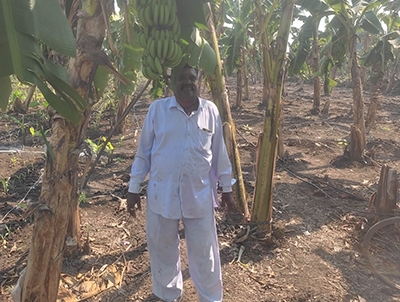
District : Jalgaon
Taluka : Chalisgaon
Village: Tekwade Khurd
Acre : 2.35
BeforeUS$ 640Gram
AfterUS$ 3,190Banana
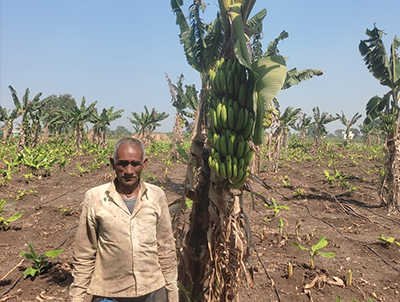
District : Jalgaon
Taluka : Chalisgaon
Village: Tekwade Khurd
Acre : 2.35
BeforeUS$ 580Gram
AfterUS$ 3,190Banana
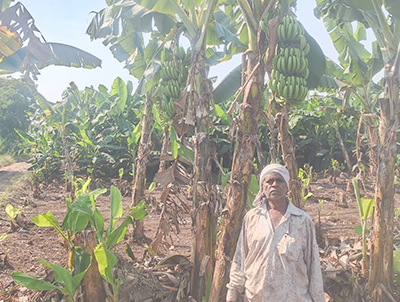
District : Jalgaon
Taluka : Chalisgaon
Village: Tekwade
Acre : 2.06
BeforeUS$ 640Maize
AfterUS$ 6,690Banana
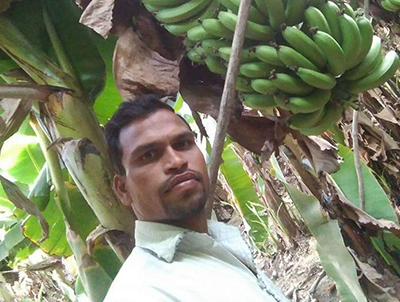
District : Jalgaon
Taluka : Pachora
Village: Khadkadeole Khurd
Acre : 1.95
BeforeUS$ 1000Gram
AfterUS$ 6,610Banana
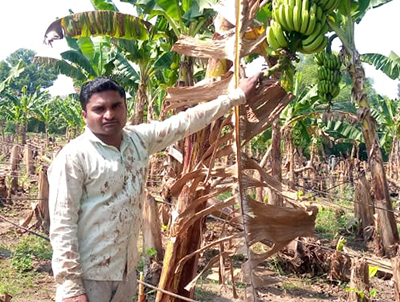
District : Jalgaon
Taluka : Chopda
Village: Dhanora Pra Adawad
Acre : 2.35
BeforeUS$ 500Gram
AfterUS$ 6,000Banana
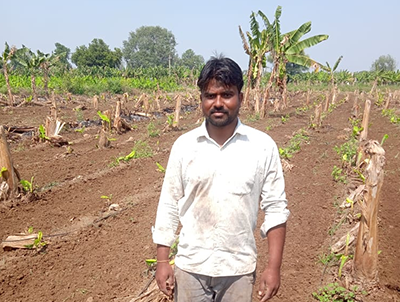
District : Jalgaon
Taluka : Chalisgaon
Village: Tekwade Khurd
Acre : 1.18
BeforeUS$ 420Cotton
AfterUS$ 5,420Banana
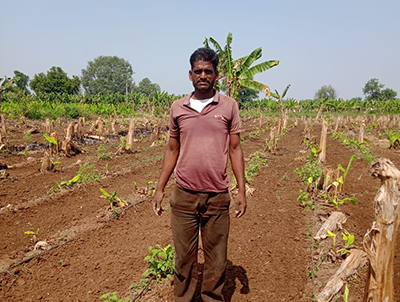
District : Jalgaon
Taluka : Chalisgaon
Village: Tekwade
Acre : 1.76
BeforeUS$ 490Gram
AfterUS$ 3,540Banana
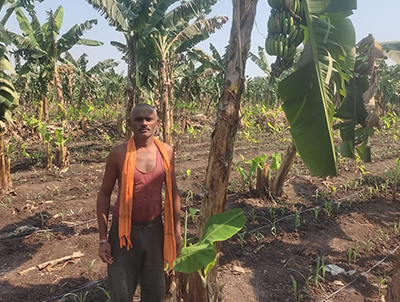
District : Jalgaon
Taluka : Chalisgaon
Village: Tekwade Khurd
Acre : 1.88
BeforeUS$ 390Cotton
AfterUS$ 3,270Banana
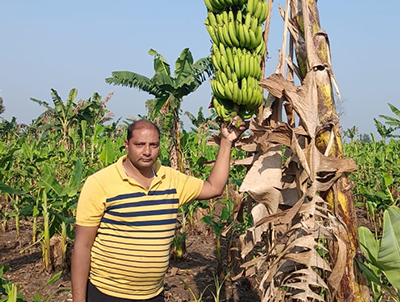
District : Jalgaon
Taluka : Chalisgaon
Village: Tekwade Khurd
Acre : 1.18
BeforeUS$ 420Gram
AfterUS$ 5,210Banana
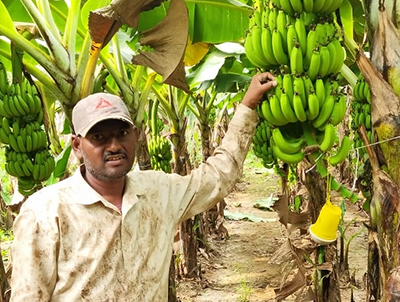
District : Jalgaon
Taluka : Chalisgaon
Village: Tekwadi
Acre : 1.17
BeforeUS$ 440Gram
AfterUS$ 5,220Banana
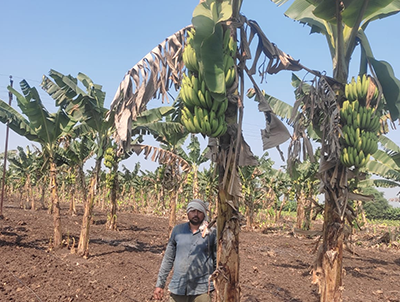
District : Jalgaon
Taluka : Chalisgaon
Village: Tekwade Khurd
Acre : 2.06
BeforeUS$ 560Gram
AfterUS$ 2,740Banana
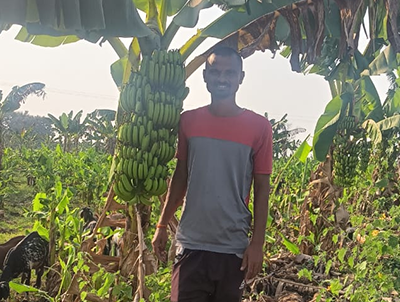
District : Jalgaon
Taluka : Chalisgaon
Village: Tekwade Khurd
Acre : 1.76
BeforeUS$ 530Cotton
AfterUS$ 3,150Banana
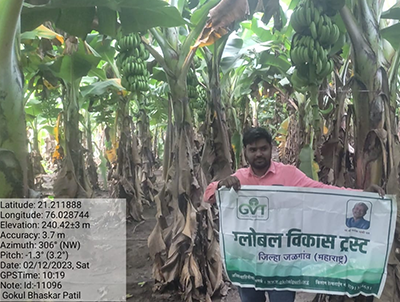
District : Jalgaon
Taluka : Raver
Village: Bhatkhede
Acre : 1.55
BeforeUS$ 220Maize
AfterUS$ 2,260Banana
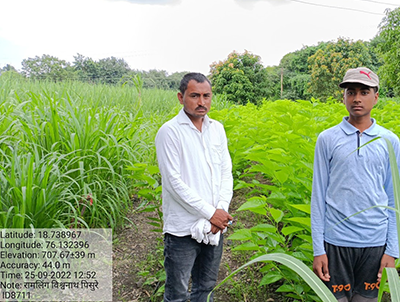
District : Beed
Taluka : Kaij
Village: Janegao
Acre : 1
BeforeUS$ 330Cotton
AfterUS$ 3,260Mulberry
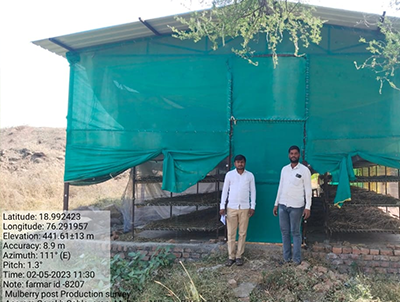
District : Beed
Taluka : Dharur
Village: Fakir Jawala
Acre : 1
BeforeUS$ 330Gram
AfterUS$ 3,250Mulberry
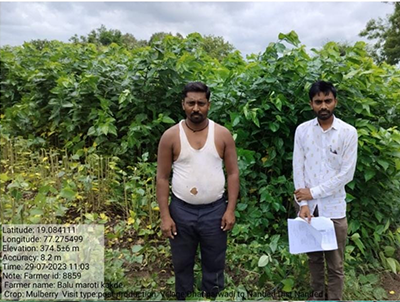
District : Nanded
Taluka : Nanded
Village: Dhangarwadi
Acre : 1
BeforeUS$ 170Soybeans
AfterUS$ 3,030Mulberry
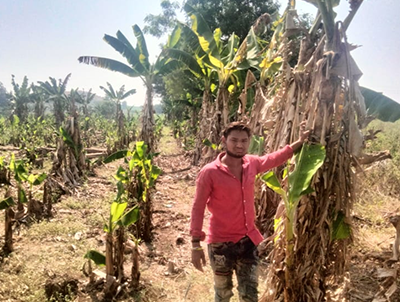
District : Parbhani
Taluka : Pathri
Village: Bandarwada
Acre : 1
BeforeUS$ 720Cotton
AfterUS$ 3,030Mulberry
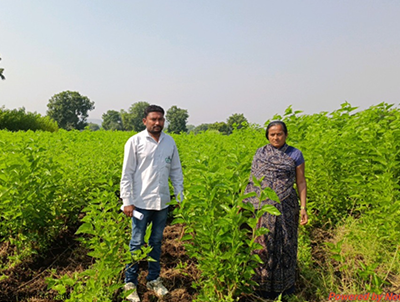
District : Beed
Taluka : Dharur
Village: Kasari Bodkha
Acre : 1
BeforeUS$ 390Cotton
AfterUS$ 2,920Mulberry
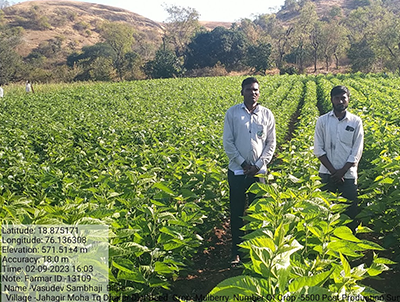
District : Beed
Taluka : Manjlegaon
Village: Nitrud
Acre : 1
BeforeUS$ 500Cotton
AfterUS$ 2,830Mulberry
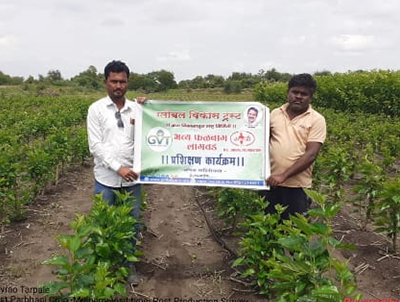
District : Parbhani
Taluka : Manwath
Village: Palodi
Acre : 1
BeforeUS$ 330Cotton
AfterUS$ 2,840Mulberry
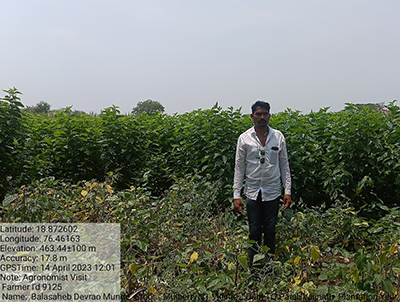
District : Beed
Taluka : Parli
Village: Dabi
Acre : 1
BeforeUS$ 390Soybeans
AfterUS$ 2,690Mulberry
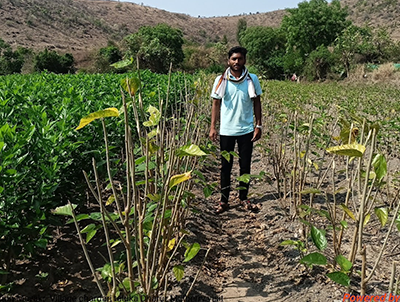
District : Beed
Taluka : Dharur
Village: Chardari
Acre : 1
BeforeUS$ 290Cotton
AfterUS$ 2,630Mulberry
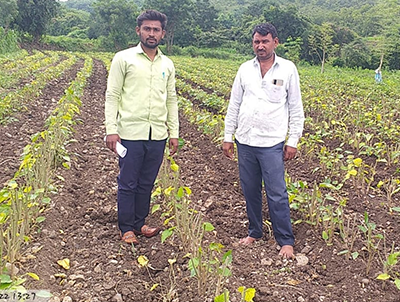
District : Beed
Taluka : Dharur
Village: Chardari
Acre : 1
BeforeUS$ 440Cotton
AfterUS$ 2,390Mulberry
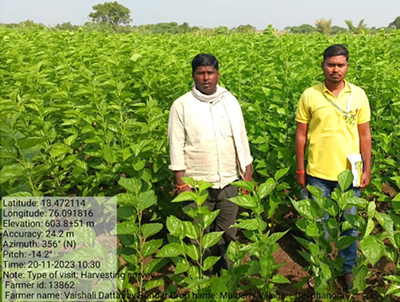
District : Osmanabad
Taluka : Kalamb
Village: Devdhanora
Acre : 1
BeforeUS$ 280Soybeans
AfterUS$ 2,310Mulberry
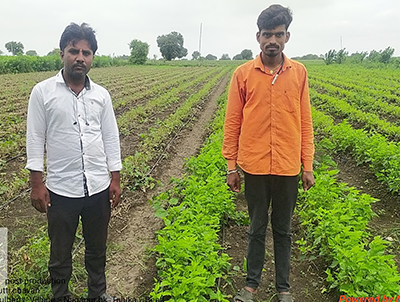
District : Beed
Taluka : Beed
Village: Nagapur Bk.
Acre : 1
BeforeUS$ 330Cotton
AfterUS$ 2,310Mulberry
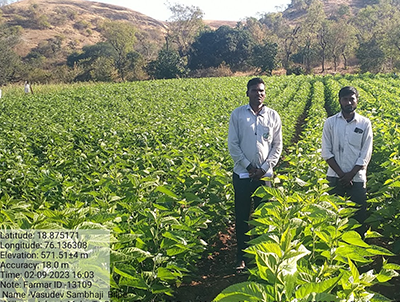
District : Beed
Taluka : Dharur
Village: Jahagir Moha
Acre : 1
BeforeUS$ 440Soybeans
AfterUS$ 2,230Mulberry
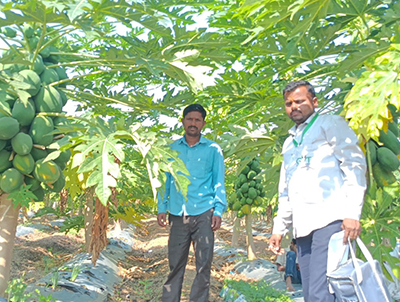
District : Beed
Taluka : Dharur
Village: Kannapur
Acre : 2.75
BeforeUS$ 280Soybeans
AfterUS$ 3,960Papaya
sss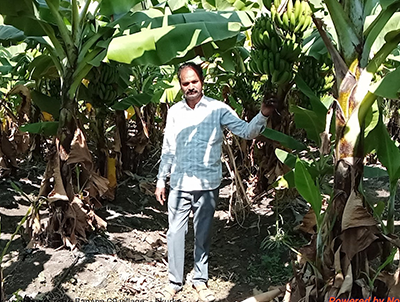
District : Beed
Taluka : Georai
Village: Rampuri
Acre : 3.19
BeforeUS$ 440Chili
AfterUS$ 8,150Papaya
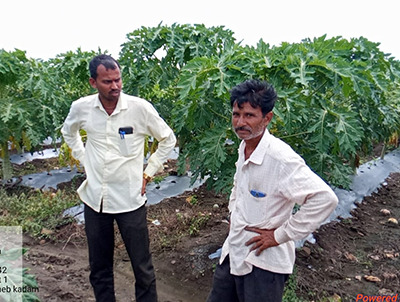
District : Parbhani
Taluka : Palam
Village: Borgaon Bk
Acre : 2.75
BeforeUS$ 430Soybeans
AfterUS$ 2,960Papaya
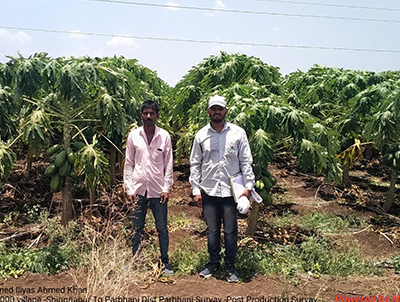
District : Parbhani
Taluka : Parbhani
Village: Shingnapur
Acre : 3.3
BeforeUS$ 610Cotton
AfterUS$ 2,260Papaya
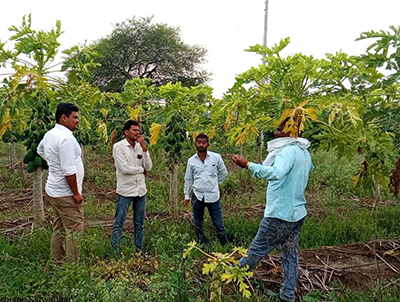
District : Parbhani
Taluka : Pathri
Village: Zari
Acre : 2.2
BeforeUS$ 390Cotton
AfterUS$ 1,180Papaya
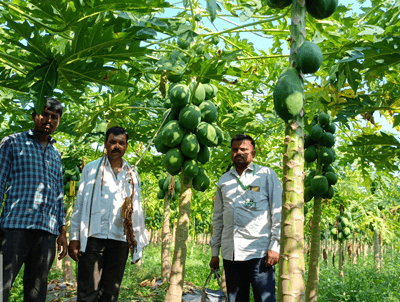
District : Beed
Taluka : Dharur
Village: Kannapur
Acre : 0.75
BeforeUS$ 330Cotton
AfterUS$ 7,230Papaya
District : Beed
Taluka : Parli
Village: Parli
Acre : 1.5
BeforeUS$ 390Cotton
AfterUS$ 4,220 Mulberry - V-1
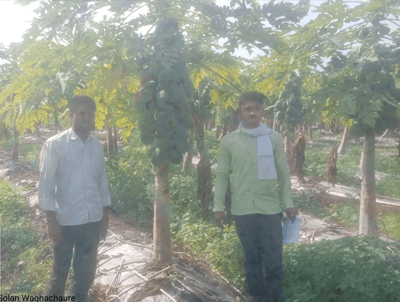
District : Beed
Taluka : Parli
Village: Bhopa
Acre : 1.46
BeforeUS$ 560Soybeans
AfterUS$ 6,290 Papaya
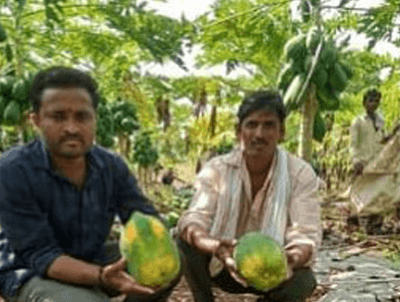
District : Beed
Taluka : Parli
Village: Nandagaul
Acre : 2
BeforeUS$ 280Cotton
AfterUS$ 4,670 Papaya
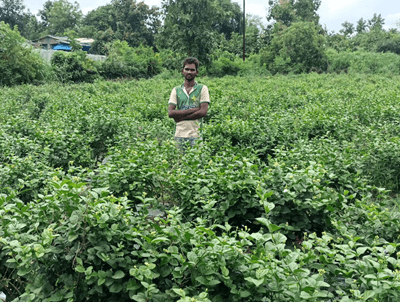
District : Palghar
Taluka : Vada
Village: Bhopivali
Acre : 0.17
BeforeUS$ 390Rice
AfterUS$ 4,000 Mogra - Banglori
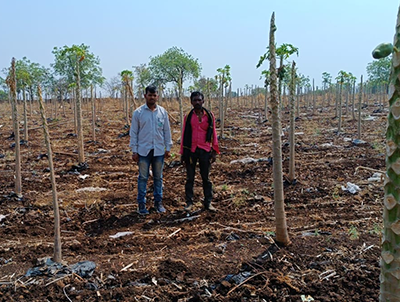
District : Beed
Taluka : Parli
Village: Nandagaul
Acre : 2
BeforeUS$ 390Soybeans
AfterUS$ 1,780Papaya

Mayank Gandhi was an international urban planner (part of the Advisory Body of Chicago-based CTBUH working in developed countries. It was in 2003 that he decided to work on transformative reforms in public life that would bring justice to the common Indian.
He was part of the team that collaborated with Anna Hazare in the drafting and passing of the Maharashtra RTI. As part of his zeal to transform the country, he started the India Against Corruption (IAC) movement along with Arvind Kejriwal and Anna Hazare. This historical nationwide movement motivated Indians of all ages and backgrounds to make their voices heard about the state of governance of the country. This movement then morphed into the Aam Aadmi Party (AAP), of which he was the National Executive member.






 Previous
 Next
Next